Service
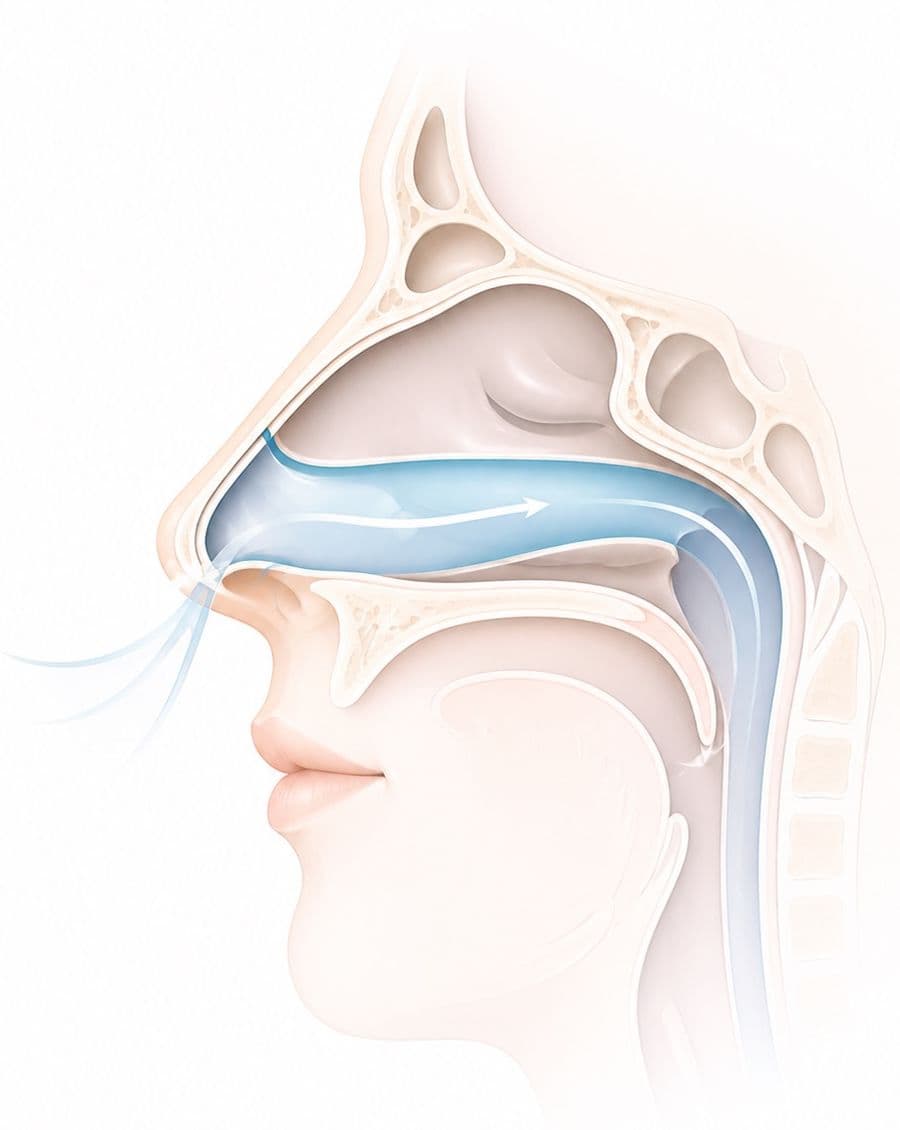
Correction of nasal structures that affect breathing, with attention to external shape when necessary.
Benefits

Nasal airflow, valve function, and any structural obstruction are evaluated, often alongside an endoscopic exam.
Performed under general or local anesthesia with sedation, similar to aesthetic rhinoplasty.
The nasal valve or internal structure is corrected — frequently combined with septoplasty when the septum also contributes to the obstruction.
A splint protects the repaired structure, with follow-up visits to confirm breathing has improved as expected.
Good candidates
Discuss alternatives if
Splint and swelling are most noticeable; breathing may feel more congested than usual during initial healing.
Swelling continues to resolve and airflow typically starts to feel noticeably improved.
The airway settles fully into its corrected shape, with the functional result stabilizing over this period.
Risks & Important Considerations
Risks include infection, bleeding, temporary numbness, and the possibility that breathing improvement is partial rather than complete. Because function is the primary goal, expectations and anatomical limits are discussed in detail before planning surgery.
Book a personal consultation with Dr. Zogaj.