All Services

Service

Aesthetic Rhinoplasty

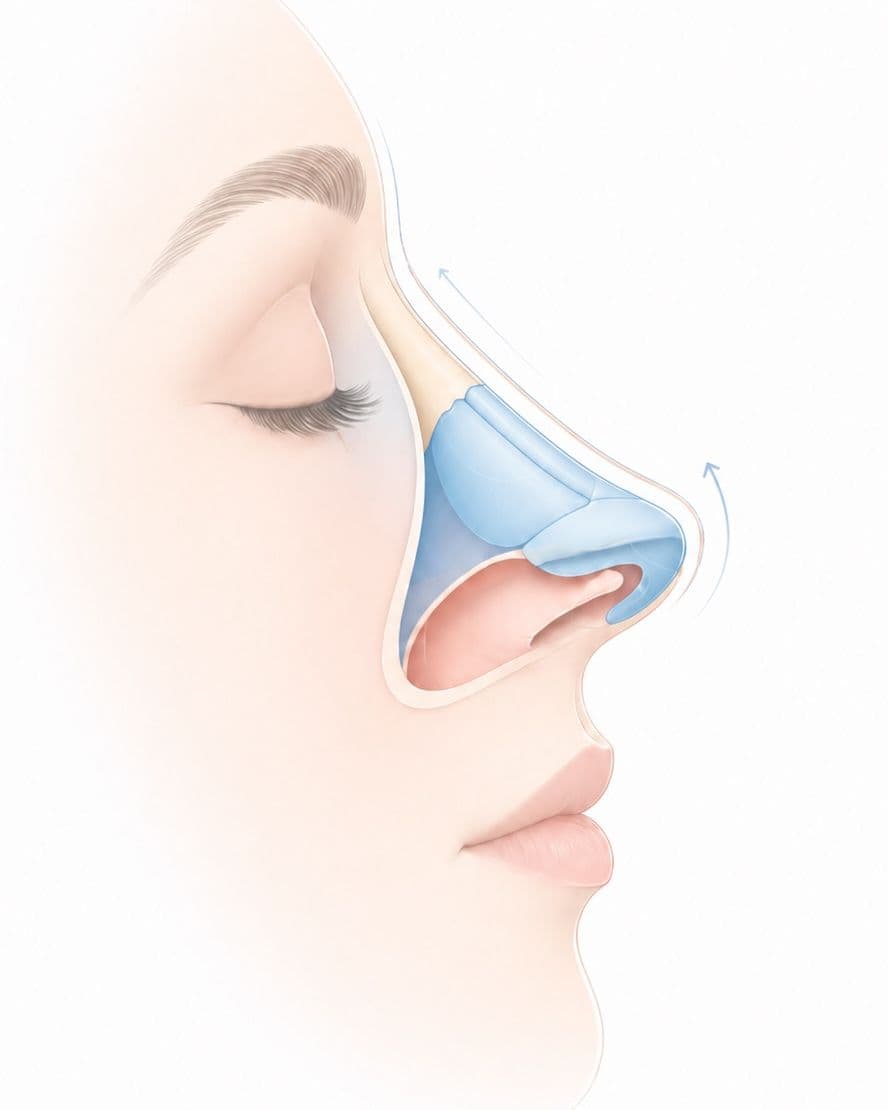
A surgical procedure aimed at improving the shape and harmony of the nose while respecting the face's natural features.

Benefits

  • A more balanced relationship with the face
  • Planning based on individual anatomy
  • A goal of natural-looking results
Aesthetic Rhinoplasty

How It Works

01

Consultation & Analysis

Facial proportions, skin type, and nasal structure are assessed, often supported by photographs, to build a plan matched to your face.

02

Anesthesia

The procedure is performed under general or local anesthesia with sedation, chosen based on the extent of the changes planned.

03

Reshaping

Using an open or closed technique, the underlying bone and cartilage are reshaped to achieve the agreed proportions.

04

Splinting & Follow-up

A splint, and sometimes internal packing, protects the new shape while it sets, with follow-up visits to monitor healing.

Good candidates

  • Nasal growth is complete (generally from the mid-teens onward)
  • Overall health is good, with no condition that would raise surgical risk
  • Expectations are realistic about what reshaping can achieve

Discuss alternatives if

  • You're considering surgery to address a personal or relationship concern unrelated to the nose itself
  • There is an active nasal infection or unmanaged health condition
  • Nasal growth is not yet complete

Preparing for Your Procedure

Avoid blood thinners, aspirin, and NSAIDs in the weeks before surgery
Stop smoking well ahead of the procedure to support healing
Arrange a ride home and help for the first day or two
Complete any pre-operative bloodwork or imaging requested

Recovery

First 1–2 weeks

Splint, bruising, and swelling are most noticeable; most patients return to desk work within this window.

Weeks 2–6

Visible swelling continues to settle and the nose starts to look closer to its final shape.

Up to 12 months

Subtle swelling resolves gradually, with the fully refined result visible over this longer timeframe.

Risks & Important Considerations

As with any surgical procedure, rhinoplasty carries risks including infection, bleeding, temporary numbness, asymmetry, and changes in breathing. A small number of patients may need a revision procedure. These are discussed individually during the consultation, alongside how they apply to your specific anatomy and plan.

Start with a Consultation

Book a personal consultation with Dr. Zogaj.

Every treatment begins with an open conversation. Goals, realistic options, and a suitable plan are discussed — with complete confidentiality and no pressure.